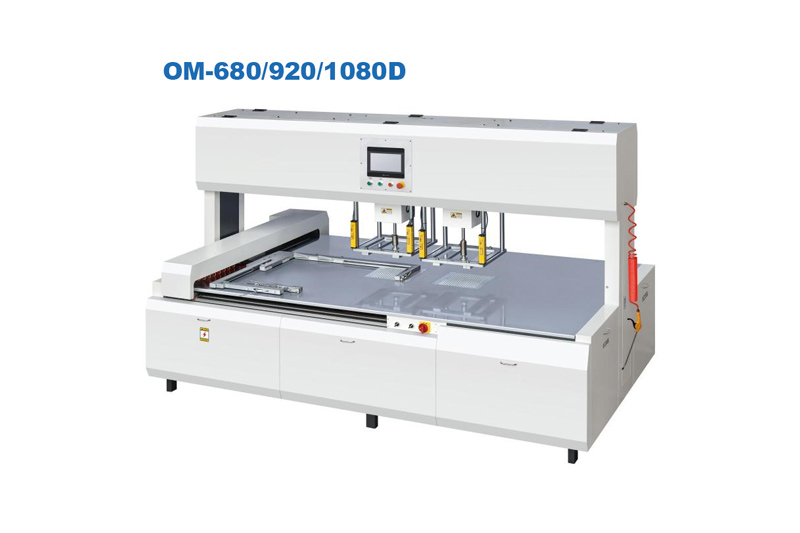
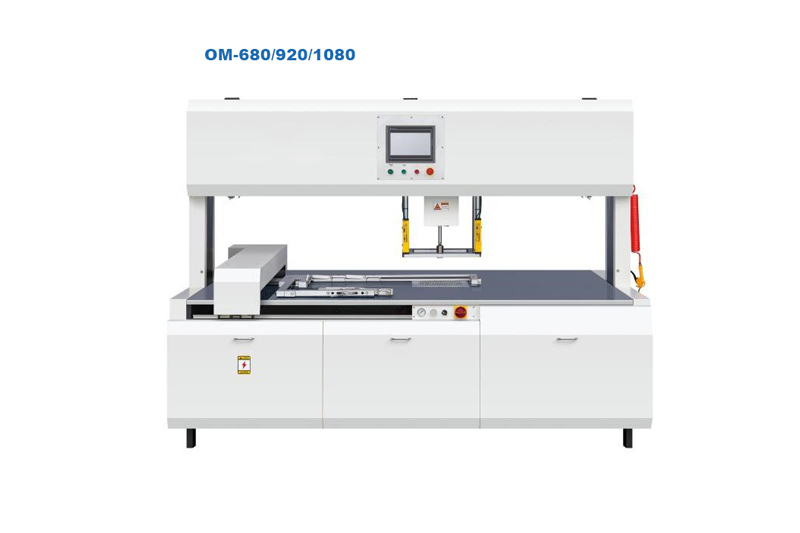
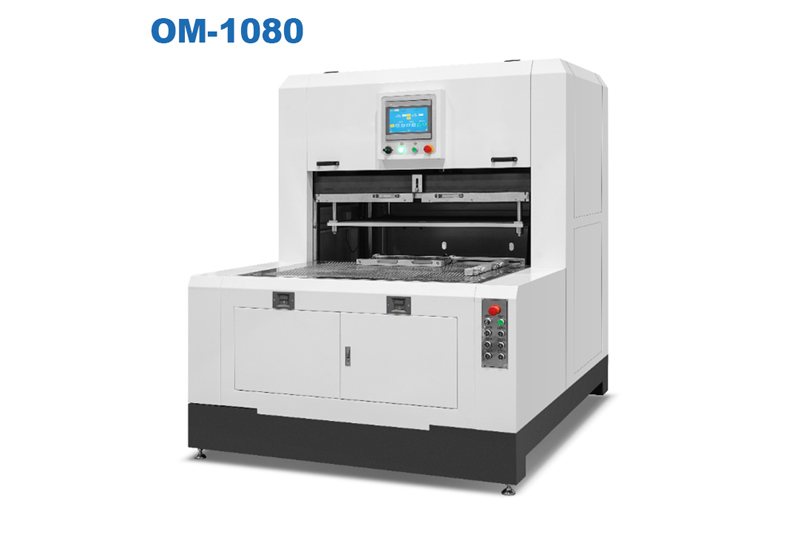
If you’ve ever wondered, “What is a die cutting machine used for?” – you’re not alone. Walk into any packaging plant, print shop, or even a serious crafter’s studio, and you’ll likely see one humming away. But the real question isn’t just what it does – it’s how many things it can do. From mass-producing custom boxes to cutting intricate leather wallets, a die cutting machine is the unsung hero of precision shaping.
I’ve spent over a decade in the converting and finishing equipment industry, and I’ve watched die cutting evolve from a heavy, noisy industrial process to something that fits on a desktop. Yet the core principle remains beautifully simple: a sharp steel rule (the die) presses into a material to cut, score, or crease it. Today, let me walk you through the real-world uses – no fluff, just practical know-how.
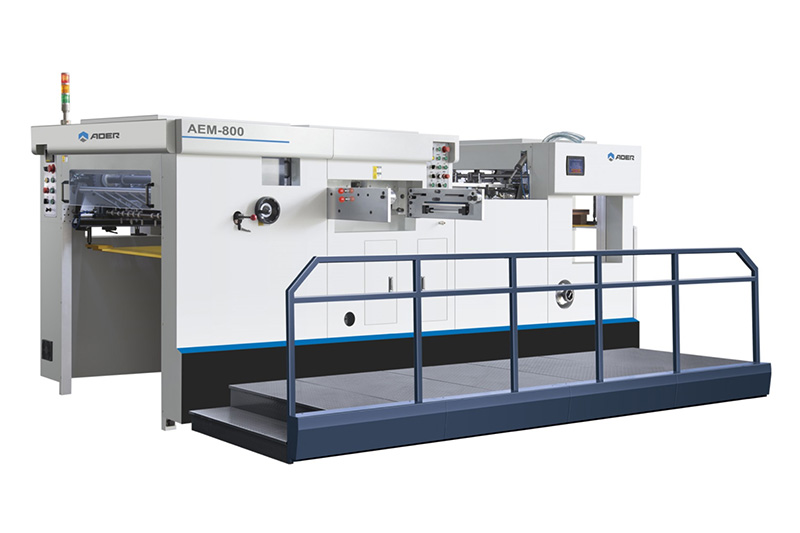
Before diving into applications, a quick baseline. A die cutting machine uses a shaped die – think of it like a heavy-duty cookie cutter – to punch through or compress materials. There are three common types:
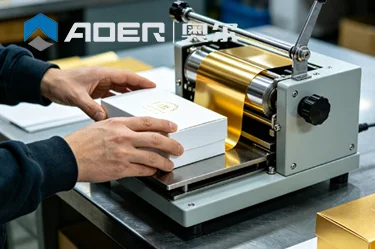
Manual die-cutting machines (lever or roller-based) – popular for home crafters.
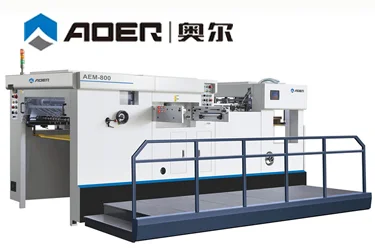
Flatbed die cutting machines – industrial workhorses for sheets of paper, plastic, or foam.
Rotary die cutting machines – high-speed, cylindrical dies for roll-fed materials like labels or nonwovens.
The magic happens when pressure meets precision. A well-set die cutting machine can hold tolerances within 0.1mm repeatedly, thousands of times. That’s why it’s used everywhere from your local stationery shop to a Fortune 500 packaging line.
Key takeaway: No matter the size, every die-cutting machine shares the same goal – to turn raw material into finished shapes without frayed edges or wasted motion.
Now, the answer you came for. What is a die-cutting machine used for in daily production? Let’s break it down by industry.
This is the largest use case by volume. Corrugated boxes, folding cartons for cosmetics, blister packs for electronics – all rely on die-cutting machine technology. A flatbed die cutter can score fold lines and cut outer contours in one pass. For example, a typical e‑commerce shipping box goes through a die cutting machine to create the flaps, slots, and even vent holes.
If you’ve ever replaced a rubber gasket on a car engine or a foam seal on an HVAC unit, chances are it was cut by a die-cutting machine. Materials like rubber, cork, felt, silicone, and foam are ideal for die cutting because the process doesn’t generate heat or fray edges. Rotary die cutting machines are especially common here for high-volume runs of small, complex shapes.
From leather watch straps to denim patches, a die-cutting machine gives you clean, repeatable cuts that scissors or clicker presses can’t match. Many shoemakers and leather goods brands use a beam press (a heavy-duty die cutting machine) to cut multiple layers at once. I’ve seen a single operator cut 200 leather wallet backs in under 10 minutes – with zero variation in size.
This is where many people first meet die cutting. Brands have popularized small manual and electronic die-cutting machine models. Hobbyists use them to cut intricate shapes for greeting cards, party decorations, and album embellishments. A manual die-cutting machine like the Big Shot can cut paper, cardstock, thin chipboard, and even fabric.
Every sticker sheet or roll of labels you’ve peeled was almost certainly kiss-cut on a rotary die-cutting machine. The die cuts through the top layer (vinyl or paper) but leaves the liner intact. This allows easy peeling. For custom shapes – stars, logos, cartoon characters – a die-cutting machine paired with a steel rule die is the standard.
Headliners, carpet mats, insulation pads, and even some dashboard padding are die-cut. A CNC-controlled die cutting machine can handle complex curves and multiple cutouts for seat belt slots or speaker grilles. The repeatability means every piece fits perfectly inside a car cabin – no trimming needed on the assembly line.
Why not just use a laser cutter or a waterjet? Because a die-cutting machine offers unique advantages:
Speed: A flatbed die cutter can cycle 30–60 times per minute. Rotary machines run at 200+ feet per minute.
No heat damage: Lasers burn edges on foam, leather, or paper. Die cutting leaves clean, unburned edges.
Lower operating cost: Dies cost a few hundred dollars and last for hundreds of thousands of cuts. Lasers need power, gas, and frequent lens cleaning.
Multi-function: One die can cut, crease, perforate, and even emboss in a single stroke.
For example, if you’re making luxury gift boxes, a die cutting machine can score the fold lines (so they bend perfectly) while cutting the tabs – all in one press.
Not every die-cutting machine is right for every job. Ask yourself:
What material thickness? (Paper? 2mm leather? 5mm foam?)
What quantity? (500 parts? 500,000 parts?)
What shape complexity? (Simple circles? Fine internal cuts?)
I’ve seen too many beginners waste materials because of a few simple errors:
Using the wrong die for the material – A paper die won’t cut leather. Always match the die steel rule height (23.8mm vs 30mm) to your material thickness.
Skipping the “make ready” – Especially on flatbed machines, uneven pressure ruins cuts. Spend 10 minutes leveling the cutting plate.
Overfeeding the machine – Pushing a 5mm foam through a die-cutting machine rated for 3mm max will damage the die and the machine.
Not lubricating moving parts – Manual and hydraulic die cutting machines have pivot points and cylinders. Dry running wears them out fast.
One client of mine tried to cut 2mm of rubber on a manual die-cutting machine designed for paper. The die bent, the handle snapped, and they lost a full day of production. Learn from that – respect your machine’s specs.
So, what is a die-cutting machine used for? In short: packaging, gaskets, leather goods, stickers, crafts, automotive parts – anything that needs identical, clean-cut shapes at speed.
Ready to stop cutting by hand or outsourcing at high cost? Return to the homepage to explore our full range of manual, hydraulic, and rotary die cutting machines. Or reach out to our team (use the live chat below) – tell us your material and monthly quantity, and we’ll recommend the exact model and die type.
GET A QUOTE


 中文
中文 English
 Pусский
 Français
 Español