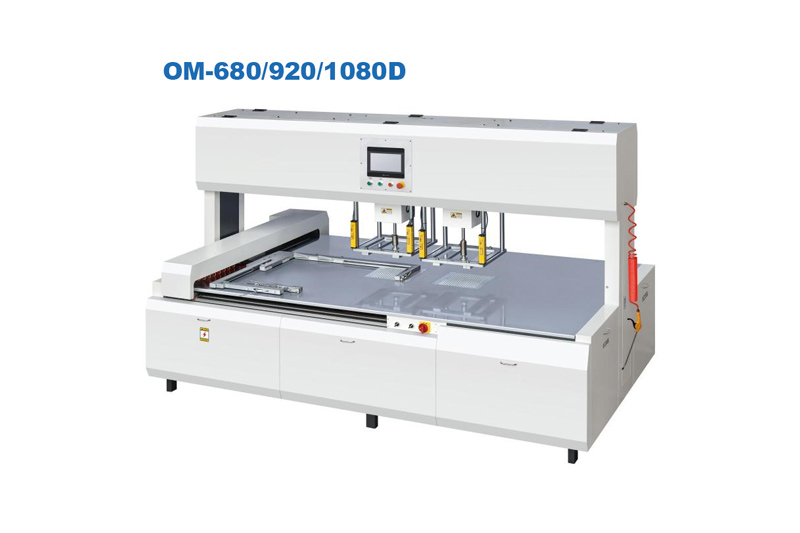
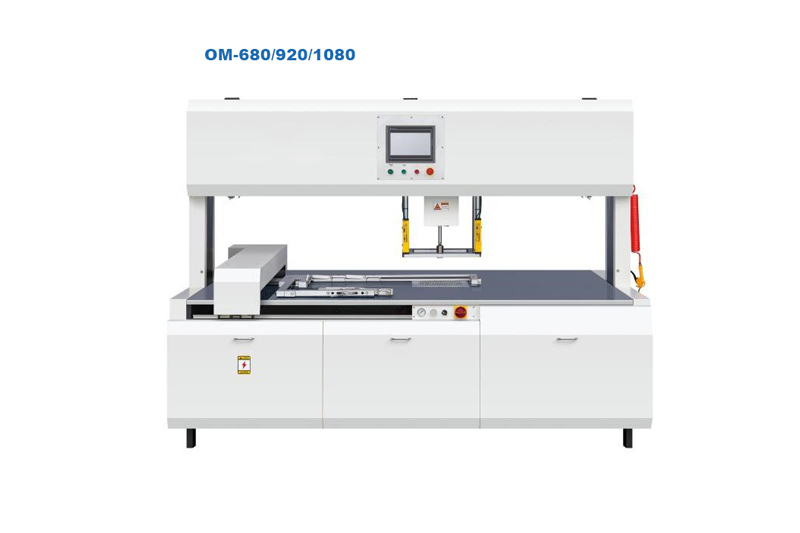
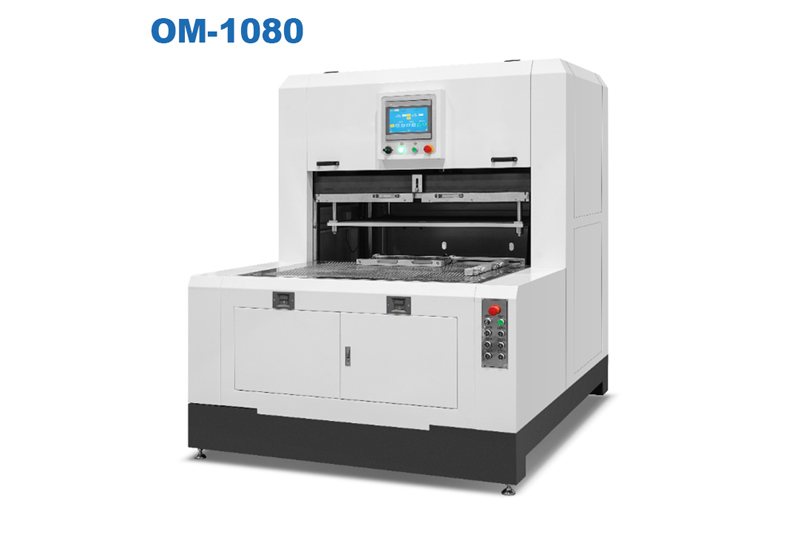
If you’re deciding between automatic and manual hot stamping machines, you’re balancing upfront cost, production volume, stamping consistency, and long-term operational overhead. Automatic Hot Stamping Machine delivers stable high-speed output, precise temperature control, and integrated die-cutting for medium-to-large batches, while manual machines work for ultra-small custom jobs with low investment. Drawing on 18 years of packaging machinery industry data and real factory applications, this guide helps you avoid mismatched purchases and wasted investment.
The gap in production capacity is not small—it’s transformative. According to packaging industry processing data from 2024, manual machines average 300–800 sheets per hour, limited entirely by operator speed and stamina. Even skilled workers cannot maintain consistent output through long shifts.
By contrast, high-speed automatic stamping lines reach 7,000–7,500 sheets per hour, with zero drop-off due to fatigue. For a single 8-hour shift, this means one automatic unit can replace 6–10 manual workstations, drastically cutting labor pressure and scheduling risks.
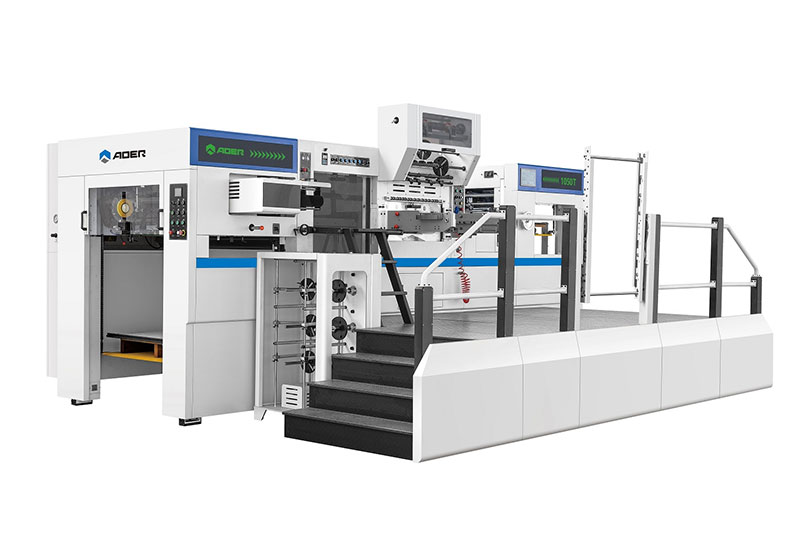
High-end packaging, cosmetic boxes, and luxury printed products demand zero defects. Manual operation relies on human judgment for pressure, temperature, and positioning, leading to common flaws: fuzzy edges, uneven foil adhesion, misalignment, and inconsistent depth.
Industry quality reports show that manual stamping has a scrap rate of 3%–8%, while automatic systems with eight-zone independent temperature control and precision stepping positioning hold scrap rates below 0.3%. Positioning accuracy reaches ±0.1 mm, ensuring every sheet matches the same high standard.
For brands serving luxury markets, inconsistent stamping directly damages reputation and leads to client rejections—a cost many buyers overlook when choosing manual machines.
Manual hot stamping is labor-intensive: each machine needs one full-time operator, plus additional staff for feeding, collection, and inspection. High turnover and training costs add ongoing expenses.
Automatic models require only one operator to supervise the entire line, handling feeding, monitoring, and simple maintenance. Over three years, labor savings alone often exceed the price difference between automatic and manual setups.
AOER’s integrated design further cuts costs by combining hot stamping and die-cutting in one pass, boosting equipment utilization by 40% and reducing floor space requirements by 35%.
Modern packaging uses diverse materials: cardboard, corrugated board, plastic sheets, leather, and specialty papers. Manual machines struggle with thick or rigid materials due to limited pressure and unstable operation.
Automatic units feature high-torque flywheel systems and heavy-duty sliding bearings for stable pressure output, easily processing thick boards and hard dies. They support quick adjustments for different sheet sizes, making them suitable for both standardized batches and flexible product switches.
Manual machines remain practical only for ultra-small custom samples or short-run specialty work where volume does not justify automation.
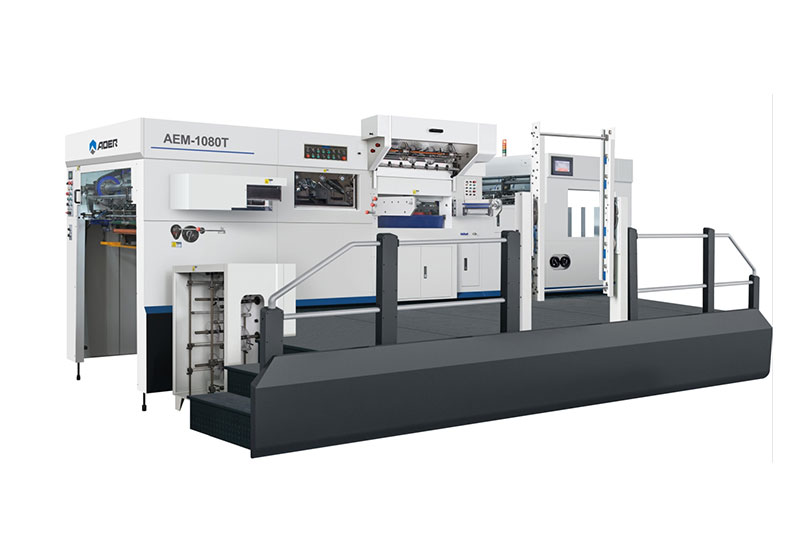
With robust design and industry-leading components, AOER’s stamping equipment delivers performance that outlasts and outperforms standard automatic lines. Key highlights include:
Automatic Hot Stamping Machine provides a reliable, high-efficiency solution where manual machines cannot meet volume or quality demands. When compared to basic automatic models, AOER’s integrated stamping and die-cutting system offers better precision, higher stability, and stronger long-term ROI for serious packaging producers.
Whether you produce small luxury boxes or large-format packaging, AOER provides customized configurations, professional commissioning, and after-sales support to match your space, materials, and output goals.
Before you invest:
The best choice is not the cheapest today—it’s the one that grows with your business and protects your profit margins for years.
GET A QUOTE


 中文
中文 English
 Pусский
 Français
 Español